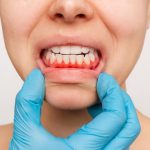


Feeling worried or overwhelmed is a standard part of life, but many people do not realise that emotional pressure can hurt their smile. When the body feels tension, it often shows up in physical ways that a dentist in Lithonia can spot during a routine checkup. Learning how your feelings impact your teeth is the first step toward protecting your oral health. The link between stress and oral health is powerful because the body reacts to pressure by tightening muscles and changing habits. For example, some people might start eating more sugary snacks or forget to brush when they feel busy. These small changes can lead to bigger problems if they happen for a long time.
The Link Between Stress and Your Smile
When the body stays in a state of high alert, it produces a chemical called cortisol. While a little bit of cortisol is normal, having too much can make it harder for the body to fight off germs. Understanding how stress affects oral health helps explain why some people develop swollen gums or more cavities during tough times.
- Dry Mouth: Nervousness often reduces saliva production. Saliva is important because it washes away food and neutralises acids.
- Gum Issues: High tension levels can lead to redness or bleeding in the gums because the body cannot repair itself as quickly.
- Poor Habits: People under pressure might stop flossing or start smoking, which causes damage to the teeth and bone.
What Are the Most Common Symptoms of Teeth Grinding?
Many individuals clench their jaws without even realising it. This habit, often called bruxism, usually happens during sleep. If you wake up with a headache or a sore face, a dentist can check for signs of enamel wear.
Recognising the symptoms of teeth grinding early can prevent your teeth from cracking or becoming flat.
- Tooth Sensitivity: Grinding wears down the protective outer layer, making cold drinks feel painful.
- Jaw Pain: The chewing muscles can become tired and stiff.
- Damaged Cheeks: Some people accidentally bite the inside of their cheeks while they sleep.
- Worn Enamel: Teeth may look shorter or have jagged edges over time.
Can High Pressure Lead to Stress Canker Sores?
Sometimes, a painful white spot appears on the inside of the lip or cheek when life gets hectic. These stress canker sores are not contagious, but they can make eating and speaking very uncomfortable. While the exact reason they appear is not always apparent, many experts believe they show up when the immune system is busy dealing with emotional tension. To help these sores heal faster, avoid spicy or acidic foods such as lemons and hot peppers. Keeping the mouth clean and staying hydrated helps the body repair the skin lining the mouth more efficiently.
Which Jaw Relaxation Techniques Can Help Reduce Tension?
Since much of the damage from tension comes from tight muscles, learning to loosen up can save your smile. Practising jaw-relaxation techniques throughout the day can help break the habit of clenching.
- The Tongue Position: Try resting the tip of your tongue gently against the roof of the mouth behind the front teeth.
- Warm Compresses: Placing a warm, damp cloth on the jaw before bed can help relax the muscles for sleep.
- Deep Breathing: Taking slow, deep breaths helps lower the body’s overall tension, reducing the urge to clench.
- Gentle Massages: Using your fingertips to rub the area where the jaw connects to the skull can release tight knots in the muscle.
Why Is Visiting a Dentist Important During Busy Times?
When life feels hectic, dental appointments are often the first plan that people cancel. However, a dentist near you can provide a mouthguard to protect your teeth from the pressure of grinding. This small plastic tray acts as a cushion, so even if you clench your teeth during the night, they do not rub against each other.
Regular visits also allow a professional to catch signs of stress and oral health issues before they require expensive repairs. A quick cleaning and checkup can help ensure your gums remain healthy, even when you are busy.
How Does Diet Play a Role in Managing Stress and Oral Health?
People often reach for comfort foods like candy or soda when they feel tired. These items are high in sugar and acid, which can attack the enamel. Because a stressed mouth often produces less saliva, the sugar stays on the teeth longer, causing cavities to form much faster.
Choosing crunchy vegetables or plain water helps keep the mouth clean. These choices provide the vitamins the body needs to stay strong and fight off gum infections.
Can Long-Term Tension Cause Jaw Joint Problems?
If the jaw muscles stay tight for months or years, it can lead to a condition called TMJ. This constant tension can cause the jaw to click or pop when opening the mouth wide. A dentist can evaluate how the teeth fit together to see if the grinding has shifted the bite. Fixing the bite or using a nightguard can stop the clicking and prevent the jaw from locking. Taking care of the joints is just as important as caring for the teeth themselves.
Protect Your Smile and Your Peace of Mind
Taking care of your mental health is a significant part of maintaining your overall health. When you find ways to lower your tension, your teeth and gums benefit just as much as your mind does. Our team is here to help you find the right tools to protect your smile from the effects of a busy life. Whether you need a custom nightguard or gentle cleaning, we are ready to support your journey toward a pain-free, healthy mouth.
Book your appointment today with Progressive Dental Group to keep your smile strong and bright!
Frequently Asked Questions
- How do I know if I am grinding my teeth at night?
Since grinding happens while you sleep, you might not hear it yourself. However, if you wake up with a dull headache or a stiff jaw, those are common signs. A dentist can also see small flat spots on the biting surfaces of your teeth that confirm the habit. - Are stress canker sores the same as cold sores?
No, they are different. Canker sores appear inside the mouth and are often triggered by tension or minor injuries. Cold sores occur on the lips and are caused by a virus. - Can a mouthguard stop me from clenching?
A mouthguard does not always stop the muscles from moving, but it protects the enamel from damage. It creates a soft barrier to prevent the teeth from wearing down. - Is the damage from teeth grinding permanent?
Enamel does not grow back once it is worn away. However, a dentist can use fillings or crowns to repair the shape of the teeth. Catching the problem early is the ideal way to protect your natural tooth structure.