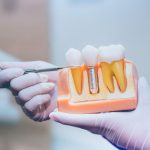


Having white teeth isn’t enough to maintain your smile. The gums are the foundation of your whole mouth. When that foundation becomes weakened by infection, you will need a specialist. Learning about gum disease treatment by a periodontist is the first step to saving your smile and protecting your health.
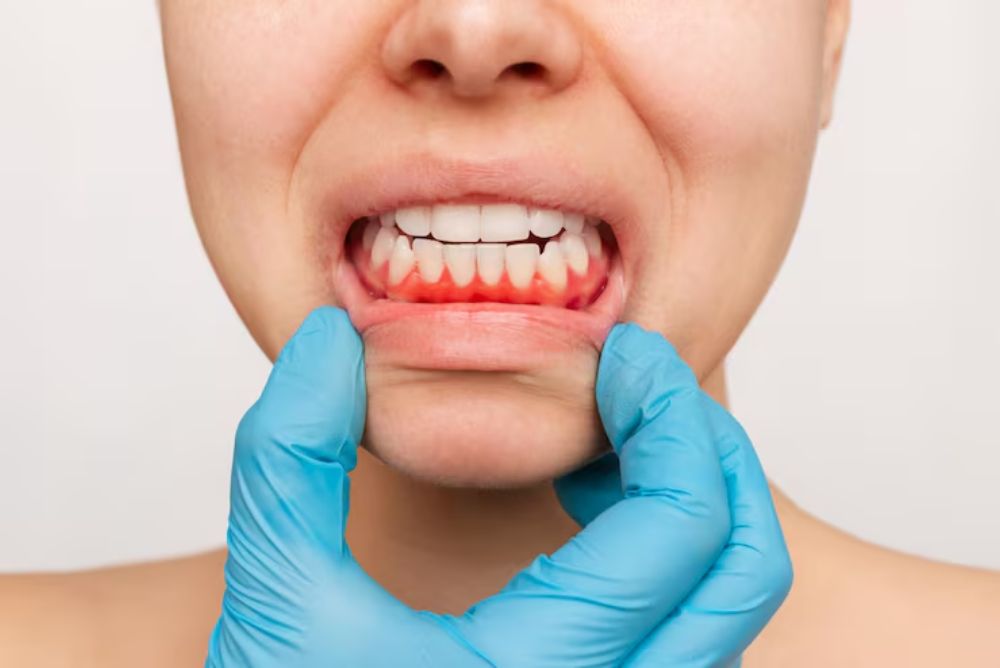
While a regular cleaning removes surface stains, a periodontist looks deeper. These experts focus on the soft tissues and the bone that support your teeth. If your gums are red, swollen, or bleeding, it might be time to see how these specialists can help you get back on track.
Understanding the Stages of Gum Infection
Gum disease usually starts small. It begins as gingivitis, which is mostly just red or puffy gums. If you catch it early, a thorough cleaning might fix it. However, if it moves to periodontitis, the infection starts to destroy the bone.
At this stage, the gum pulls away from the tooth. This creates “pockets” where bacteria hide and grow. A periodontist uses special tools to measure these pockets. If the pockets are too deep, a normal toothbrush cannot reach the germs inside. This is why specialized care is so important for long-term health.
Non-Surgical Treatment Options
Most people start with a deep cleaning. This is not your average dental visit. It is called scaling and root planing. The periodontist or hygienist removes plaque and tartar from above and below the gum line. Then, they smooth out the roots of your teeth.
Smoothing the roots helps the gum tissue reattach to the tooth. It also makes it harder for bacteria to stick to the surface in the future. In some cases, the specialist might use local antibiotics. These are placed directly into the gum pockets to kill any remaining germs. This is a common way periodontists treat gum disease without surgery.
Advanced Procedures for Healthy Gums
If the infection is very deep, surgery might be necessary. Periodontists are highly trained in these procedures. They can perform “flap surgery,” in which they lift the gum tissue back to thoroughly clean the roots. They then stitch the gum back so it fits tightly around the tooth.
If you have lost bone or gum tissue, they can perform grafts. A gum graft takes healthy tissue from another part of your mouth to cover exposed roots. This protects the teeth from decay and reduces sensitivity. These advanced steps ensure you have the best periodontal gum health near you by rebuilding what was lost.
Comparing Treatment Types
| Treatment Type | Purpose | Recovery Time |
| Scaling & Planing | Deep cleaning roots | 1-2 days |
| Gum Grafting | Replacing lost gum tissue | 1-2 weeks |
| Bone Grafting | Rebuilding jaw bone | Several months |
| Pocket Reduction | Shrinking gaps near teeth | 1 week |
Why Specialist Care Matters
Seeing a specialist ensures you receive the most modern care available. Periodontists have years of extra training beyond dental school. They understand the link between gum health and other issues like heart disease or diabetes.
Whether you need a routine check or a complex surgery, finding a trusted dentist in Lithonia can make a big difference. They provide a roadmap for your recovery. By following their advice, you can keep your natural teeth for a lifetime.
If you have been searching for a dentist near you, focusing on gum health is a great place to start.
A Healthy Smile Starts Today
Your journey to a healthier mouth does not have to be scary. With the right help, you can stop infection in its tracks and feel confident again. Progressive Dental Group is here to support your journey toward a pain-free, healthy smile. Our team uses the latest technology to ensure your comfort and provide lasting results for every patient.
Do not wait for the pain to get worse. You deserve a strong, disease-free foundation. Contact our friendly team today to learn more about our services and book an appointment to reclaim your oral health!
Frequently Asked Questions
What are the main signs of gum disease?
Redness, swelling, and bleeding while brushing are common signs. Persistent bad breath or loose teeth also indicate a serious problem.
Does gum disease treatment hurt during the visit?
Periodontists use local numbing agents to ensure you feel no pain. You might feel slight pressure, but it is comfortable.
How long does a deep cleaning take?
A scaling and root planing session usually takes one to two hours. It may be split into two separate appointments.
Can gum disease be cured completely?
Early gingivitis is reversible. Advanced periodontitis is managed and controlled through professional care and excellent hygiene to prevent further loss.
How often should I see a periodontist?
Most patients with a history of gum issues should visit every three to six months for specialized maintenance and checkups.